Choosing a Karate Style
Most of the time, when people develop an interest in karate and begin looking for a school, they simply choose the nearest dojo, or the most affordable dojo near them, but there are those who are looking for more. Often, they have been inspired by martial arts in media, be that movies, video games, or combat sports, and this has given them specific expectations and desires with regard to what they are looking for in their karate experience. Typically, their next step is post in online communities asking what karate style has all the things they are looking for, and while this may seem like a reasonable line of questioning, the truth is that the vast majority of criteria that people are looking for are not style specific, they are dojo specific. This does not mean that there are not karate styles which feature hallmarks that can be found in virtually every dojo within those styles, of course. Kyokushin, for example, is well known for utilizing the “knockdown kumite” format for sparring and competition, and you would be hard pressed to find any Kyokushin dojo that doesn’t. Ryukyu Kenpo is known for extensive use of tuidi (seizing hand skills) and chibudi/kyusho (vulnerable point skills). Uechi-Ryu is known for specializing in tai tanren (body conditioning) that allows them to perform unusual strikes. Broadly speaking, however, a style having a hallmark characteristic does not mean that such a style is limited to only that characteristic, and no matter what you are looking for in a karate experience, you can likely find it in any style, depending on how the instructor of the specific dojo does things.
A Kyokushin dojo can teach tuidi and chibudi/kyusho, a Ryukyu Kenpo dojo can include tai tanren, and an Uechi-Ryu dojo can include knockdown kumite. Most Western karate dojo are also typically not “pure” karate schools, in terms of teaching only a singular art or style, either because they have brought in additional instructors in order to offer more options for potential students, or because instructors in their specific lineages cross-trained in other arts. The karate that was introduced to the West was largely brought by military service members who had been stationed in Japan or Okinawa, and many of them had previous experience with boxing and wrestling, or took the opportunity to learn other martial arts during their service, such as Judo or Aikido. There were also a lot of early karate instructors in the West who were inspired by Bruce Lee and his Jeet Kun Do concept, which led them to learning a variety of different arts and styles to round out their skill sets. Additionally, the desire to compete can lead many karateka to explore beyond the bounds of what is typical within their style. This means that, even within a particular style or organization, there can be a significant difference in the experience you will get at any particular school.
It would be very convenient if karate styles were perfectly consistent, and someone interested in karate could search the internet for the style that meets their desired criteria, but it just isn’t that simple, especially as those criteria become more granular and specific. When it comes to stylistic considerations, you can certainly take the hallmark features of major styles into account, and most styles will have fairly consistent kata selections across member schools, but beyond that, you need to get down to the actual school level to find what you are looking for. Additionally, regardless of whether a style typically does or doesn’t have what you are looking for, that style may simply not be available to you. It does no good to identify Kudo as the perfect karate style for you if the nearest Kudo dojo is hundred of miles away. It also does no good to identify Goju-Ryu as the perfect style for you if the only Goju-Ryu dojo near you charges more than you can afford. An additional consideration, beyond accessibility, is suitability and accommodation. It does no good to identify Isshin-Ryu as the perfect style for you, and join the local Isshin-Ryu dojo only to discover that the instructor fosters a toxic training environment that you won’t be able to tolerate, or if you have a disability that the instructor refuses to adjust their teaching for.
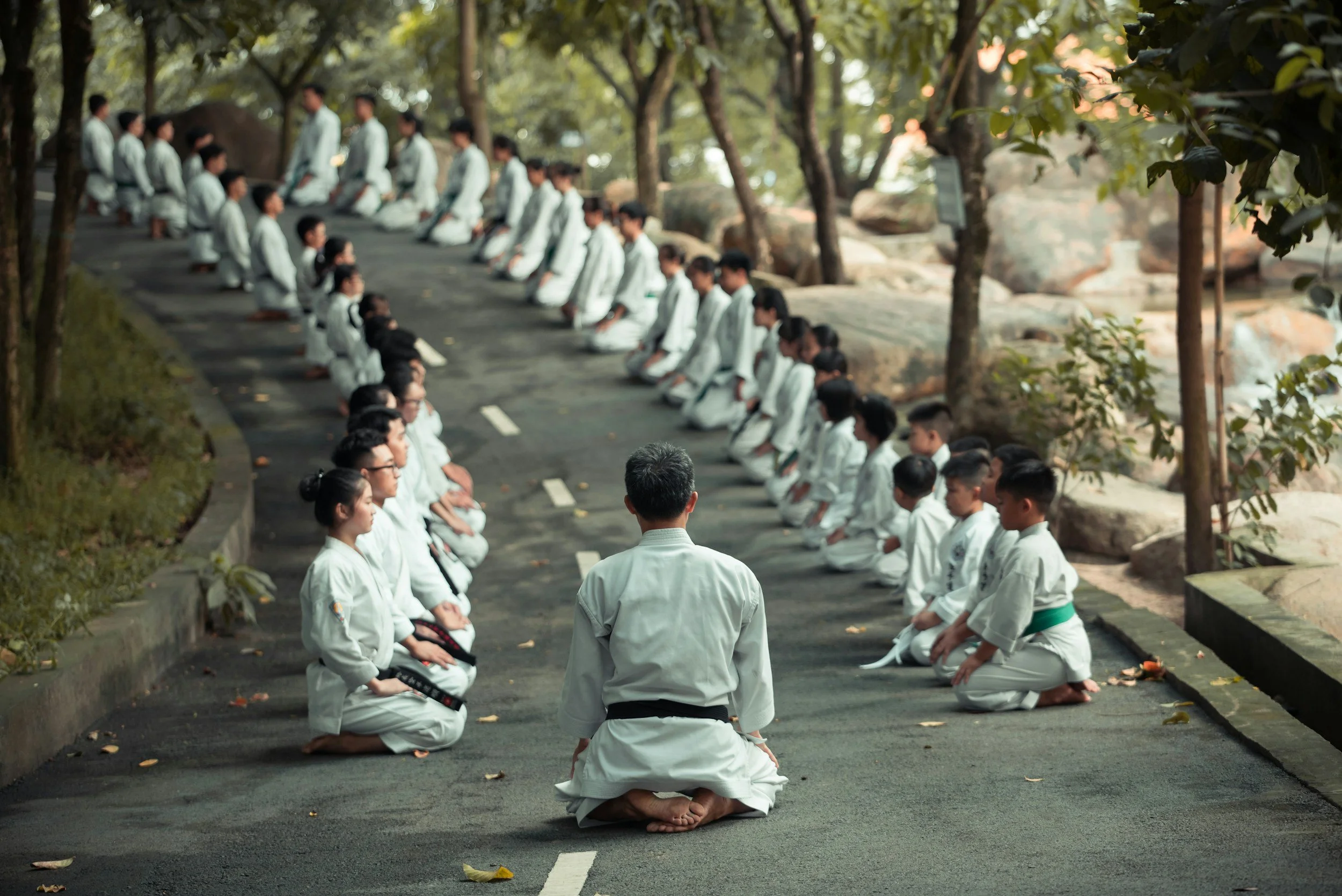
When you are looking to start your karate journey, it is better to start with goals, rather than stylistic expectations. What are you hoping to get out of your training? What type of sparring are you comfortable with? What do you want the training experience to feel like? What type of instruction works best for you? Once you have your goals laid out, start contacting the karate schools that are local to you, regardless of style. Speak with the instructor about your goals, to see if they align with what the instructor teaches. Watch some beginner classes to see what training looks like when you are getting started. Watch some advanced classes to see what sticking with it can look like. Get a feel for how the instructor teaches, and how students get along with each other. Make sure that you can afford the training, and that the commute to training is reasonable. Then you can make a properly informed decision, and the style will choose you, rather than the other way around.